
Key Takeaways
- The transformative role of packaging in the customer experience.
- The pursuit of sustainability is a crucial motivator in material selection.
- The entwinement of technology in modern packaging for an enhanced user experience.
The Silent Salesman: How Packaging Influences Buying Decisions
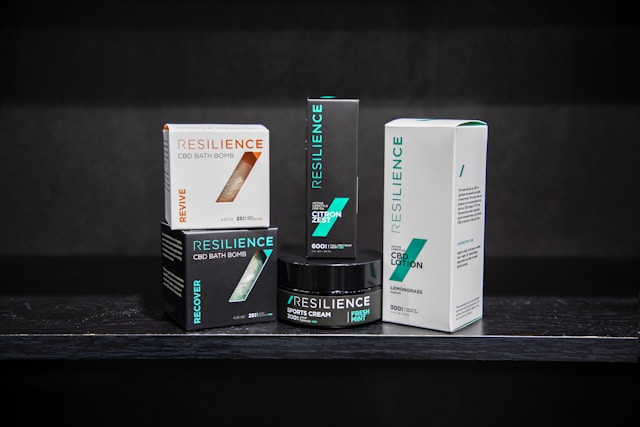
A consumer’s first interaction with a product is often through its packaging – the colors, textures, and design elements are meticulously crafted to capture attention and persuade. Unsurprisingly, package design is considered the silent salesman; its power lies in communicating a product’s essence without saying a word. Adequate packaging conveys brand identity, encapsulates the message the company wants to send, and serves as a critical touchpoint that can sway buyers’ decisions.
Spreading diversity and inclusion initiatives in package design can create refreshing perspectives that drive innovation. Take, for instance, career opportunities for women and minorities Kinston, NC. Incorporating diverse talent leads to creativity and fresh ideas that can translate into packaging that resonates with a broader audience – ultimately shaping the purchasing habits of a diverse consumer base.
Materials Matter: The Shift Toward Sustainable Packaging Options
The shift toward sustainability in packaging isn’t just a trend; it’s a necessary evolution. There’s a compelling demand for packaging solutions that address environmental concerns without compromising design or functionality. Brands and consumers call for materials that do not harm, urging designers to scout for alternatives like mushroom-based foam, ocean plastic, and other innovative materials that offer a smaller ecological footprint.
Beyond the ecological benefits, sustainable packaging can elevate a brand’s image and resonate with consumers who prioritize eco-conscious lifestyles. The industry is seeing a surge in designs that embrace this environmental ethos, offering a glimpse into a greener future of packaging. A quick search of the latest advancements reveals the momentum building in this space, inviting us to be part of the dialogue.
The Aesthetics of Packaging: Balancing Form and Function
Adequate packaging is a work of art that seamlessly blends form and function. It’s an intricate dance between practicality and aesthetic appeal. A captivating design can elevate a product from ordinary to extraordinary, but it cannot come at the expense of its primary purpose—protecting its contents. Designers consistently test the boundaries of packaging, crafting visually striking designs that cater to both the heart and the head.
From embossing and high-quality printing techniques to unique die-cuts and shapely forms, designers perfect the art of creating packaging designs that stand out on the shelf and communicate a brand’s story and ethos at a glance.
Innovative Packaging: Integrating Technology for a Connected Experience
Innovative packaging is revolutionizing the way consumers interact with products. It bridges the physical and digital worlds, offering a more enriched and connected experience. Packaging can provide additional product information, authenticate the product, or even relay user-specific content by incorporating technologies like RFID, QR codes, and sensors.
Technological integration often arises from it. For instance, a wine bottle with an intelligent label could suggest food pairings or offer a virtual vineyard tour. Innovative packaging provides endless opportunities for engaging with a tech-savvy audience and enhancing brand loyalty through interactivity.
Customization Is Key: The Growth of Personalized Packaging
Customized packaging is on the rise due to the demand for personalized experiences. Brands can use technology to create scalable solutions that cater to individual preferences. This trend indicates a shift towards more agile and consumer-centric designs, representing a transformation in the retail and packaging industries.