
Table of Contents
- Sustainable Materials
- Energy-Efficient Designs
- Renewable Energy Integration
- Biophilic Design
- Modular and Prefabricated Construction
- Zero-Energy Buildings
- Carbon-Neutral Neighborhoods
- Innovative Technologies
- Conclusion
Rising awareness about climate change is driving an urgent demand for green solutions in the construction industry. Both developers and homeowners are prioritizing sustainable methods to minimize their ecological footprint while creating healthier, more efficient spaces. As innovation accelerates, there’s never been a better time to work with knowledgeable professionals like home remodeling contractors New Hampshire to ensure homes and buildings meet the highest eco-friendly standards.
Modern eco-friendly building practices not only conserve resources and energy but also foster comfortable living environments. In 2025 and beyond, expect these trends to continue shaping the design, construction, and renovation of both residential and commercial spaces. Whether through groundbreaking materials or smarter energy solutions, going green is now a strategic priority for anyone involved in the built environment.
From energy-saving architecture to renewable energy systems, the movement towards greener construction is gathering momentum worldwide. Developers are integrating nature-inspired elements into urban environments, and innovative technologies are making sustainable living more accessible and affordable than ever. This shift significantly benefits occupants’ well-being, increases property values, and future-proofs buildings against regulatory changes.
Understanding these trends helps property owners and industry professionals invest wisely, comply with new standards, and contribute to a more sustainable future for generations to come.
Sustainable Materials
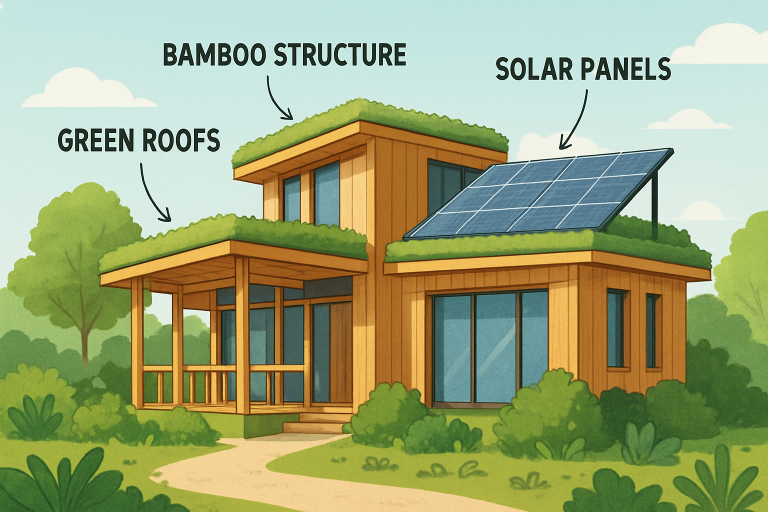
Sourcing and utilizing sustainable materials is the cornerstone of eco-friendly construction. Traditional resources like concrete or virgin timber are energy-intensive and often nonrenewable. In contrast, materials such as bamboo, recycled steel, and hempcrete are rapidly renewable and offer excellent structural properties. Bamboo grows quickly and does not require replanting, making it a superior choice for flooring, cabinetry, and even structural elements. Hempcrete is valued for its low carbon footprint, natural insulation, and breathability. Additionally, mycelium-based products (derived from mushroom roots) are gaining attention for their strength and full biodegradability, providing new possibilities for insulation and non-load-bearing walls.
Another promising development involves salvaged or recycled materials. Many builders are now reusing reclaimed wood, glass, and brick, preserving historical character and reducing landfill waste. Notably, manufacturers are producing insulation, roofing, and flooring from recycled plastics, rubber, and even textiles, thereby significantly curbing demand for raw materials. Using locally sourced materials also reduces energy use during transportation, further minimizing a project’s ecological impact.
Energy-Efficient Designs
A building’s orientation, structure, and material choices have a profound effect on its energy consumption. Energy-efficient design strategies, such as passive solar construction, use the sun’s heat in winter and provide shade in summer, slashing heating and cooling needs. High-performance windows, advanced insulation, and thermal mass design all contribute to maintaining comfortable indoor temperatures with minimal mechanical intervention. Technologies like smart thermostats, LED lighting, and efficient HVAC systems further drive down energy waste, aligning with standards such as Energy Star and LEED certification.
Moreover, “cool roofs” (materials that reflect sunlight and absorb less heat) and ventilated facades help maintain thermal efficiency in hot climates, while energy recovery ventilation units enhance indoor air quality. By integrating these design elements from the planning phase, construction professionals create buildings that are future-ready and resilient to a changing climate.
Renewable Energy Integration
The adoption of renewable energy within the built environment is now a mainstream expectation. Photovoltaic solar panels are the most widely used and can be installed on roofs or facades, providing on-site electricity and reducing utility expenses. Wind turbines, though more common in larger commercial or communal settings, can provide reliable, clean energy in certain locations. Geothermal heat pumps leverage stable ground temperatures to efficiently heat and cool interiors, while solar thermal systems provide hot water in both residential and multi-unit dwellings.
As battery storage technology improves, buildings can store excess energy generated during peak sunlight for later use, reducing reliance on the grid and maximizing self-sufficiency. Integration with smart grids allows users to monitor and control consumption, further streamlining operations and enhancing sustainability.
Biophilic Design
Biophilic design recognizes the innate human connection to nature and seeks to foster it within the built environment. Features such as green roofs, living walls, and abundant natural light are key hallmarks that improve mental well-being and productivity for occupants. Incorporating water elements, indoor plants, and natural textures creates a soothing ambiance and can even improve indoor air quality by filtering air pollutants.
This approach is visible across schools, office spaces, and healthcare facilities, aiming to boost creativity and well-being while trimming utility costs. These practices are especially growing in urban environments, where access to outdoor greenery is limited, offering a tangible link to nature even in dense cities.
Modular and Prefabricated Construction
Prefabrication brings remarkable efficiency to both new builds and major renovations. Off-site assembly of components or entire modules enables highly controlled manufacturing processes that generate less material waste and minimize on-site construction noise and disruption. Because modular systems are designed for precise fits, they speed up construction timelines and can sometimes allow for structures to be deconstructed and reused at the end of their lifecycle a critical component of the “circular economy.”
These building methods also offer greater design flexibility, making them ideal for housing, schools, and office buildings where future expansion or relocation may be needed. Prefabrication has seen rapid advancements and is now increasingly used for producing high-performance, sustainable homes at scale, enabling swift responses to housing shortages or disaster recovery while maintaining eco-friendly standards.
Zero-Energy Buildings
Zero-energy buildings (ZEBs) are constructed or renovated to balance the energy they use with the energy they produce on-site, usually through on-site renewables. Achieving this goal involves maximizing efficiency first through airtight building envelopes, robust insulation, and state-of-the-art lighting and appliances, then offsetting the remaining energy demand with solar, geothermal, or wind. An outstanding example is Portland, Oregon’s PAE Living Building, which demonstrates a holistic approach to the zero-energy concept.
Carbon-Neutral Neighborhoods
Scaling up sustainability from individual buildings to entire communities, carbon-neutral neighborhoods prioritize walkability, public transit, renewable energy generation, and green infrastructure. These developments reduce transportation emissions, encourage local food production, and offer ample greenery, improving residents’ quality of life and climate resilience. The Bahnstadt district in Heidelberg, Germany, leads by example with hyper-efficient buildings, solar arrays, integrated bike paths, and a robust district heating network.
Innovative Technologies
Advances in digital tools and materials science are propelling green building to new heights. 3D printing using locally sourced earth and fibrous materials, such as in the Tecla house project, enables rapid construction, resource conservation, and affordability. Automation, Internet of Things (IoT) sensors, and building management platforms provide real-time monitoring of energy and water usage, enabling ongoing optimization and predictive maintenance. Meanwhile, smart glass and phase-change materials offer breakthroughs in natural lighting and indoor climate regulation, setting new benchmarks for indoor comfort and efficiency.
Continued development in these areas ensures that sustainable building is not only possible but also practical and cost-effective for everyone from major developers to individual homeowners.
By embracing these eco-friendly building trends, the construction industry can play a transformative role in addressing climate change while creating beautiful, healthy places to live and work. Adopting these solutions isn’t just about compliance or efficiency; it’s about powering a resilient, brighter future for all.
Conclusion
As eco-friendly building practices continue to evolve, they are redefining what it means to design and construct for the future. From sustainable materials and energy-efficient designs to renewable energy systems and innovative technologies, these trends demonstrate that environmental responsibility and modern living can go hand in hand. By embracing these approaches, property owners and builders not only reduce environmental impact but also create healthier, more resilient spaces that stand the test of time. Investing in sustainable construction today is a meaningful step toward long-term value, regulatory readiness, and a cleaner, more livable world for generations to come.