
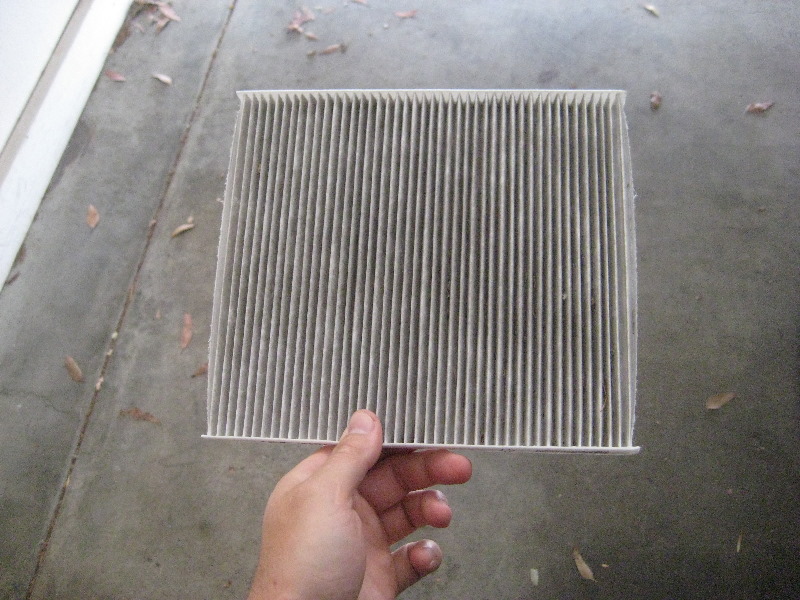
Most homeowners use flat filters with strands or fibers on a cardboard frame. They can trap large debris but are less effective at catching smaller contaminant particles like mold spores. Other types of filters feature accordion-like pleated materials that offer twice as much surface area. They can capture more lint, dust, dander, and indoor air pollutants without impeding your furnace’s efficiency.
Extends the Functional Lifespan of Your System
When HVAC air filters Richmond are clean and debris-free, the components in your system that heat or cool the house don’t have to work so hard. This means that they are less likely to break down. This will extend your unit’s lifespan, reducing the risk of costly repairs in the future. Air pollutants like dust, pet dander, and mold spores can build up on the components of an HVAC system over time. These components include the furnace coils, blower, and ductwork. They have to work harder to function if they are dirty, which results in higher energy bills and the risk of a breakdown. Changing your filter regularly prevents these problems and ensures that air flows freely through your home. Many different types of air filters are available, each with its own MERV (Minimum Efficiency Reporting Value) rating and filtration capabilities. Some of these filters, such as polyester and pleated filters, have a higher MERV rating than others and are better at removing smaller particles from the air.
Reduces Allergens and Irritations
Changing your filter regularly is one of the best ways to reduce allergens such as dust mites, pet dander, and mold. These pollutants can trigger or aggravate allergies and asthma. Depending on your needs, budget, and the type of ventilation system in your home, you can choose from several filters. Filters with higher MERV ratings can trap more particles, which is ideal for people with allergies. However, they can also restrict airflow, so checking whether your HVAC system can handle a high-rated filter is essential. Electrostatic filters are better at reducing allergens, using self-charging fibers that attract and trap the smallest particles without clogging. These filters are available in disposable and washable types but are more expensive than fiberglass and pleated filters. Using short-wave ultraviolet light to kill microorganisms, you can also opt for a gas phase filter that eliminates odors and non-particulate pollution, such as perfume, cooking gases, and paint fumes.
Reduces the Risk of Asthma Attacks
If you suffer from asthma or allergies, you must know that airborne pollutants like secondhand smoke, dust mites, and mold can worsen your symptoms. Replacing your HVAC filter regularly can help reduce exposure to these allergens or pollutants, making it easier for you to breathe and lower the risk of asthma attacks. The MERV rating of your HVAC filter determines how well it can remove these pollutants from the air. People with allergies or asthma should choose filters with higher MERV ratings. In addition to minimizing indoor air pollution, your HVAC system can help control indoor humidity levels. High humidity can create the perfect environment for mold, mildew, and other harmful contaminants to thrive. If these microorganisms are released into the air during heating or cooling cycles, they can cause allergic reactions or asthma attacks in susceptible people.
Improves Indoor Air Quality
Poor indoor air quality is a significant threat to health, and the best HVAC filters can help. Research shows that an effective, snug-fitting filter helps reduce the concentration of pollutants in the home. Indoor air pollution can be 100 times higher than outdoors, resulting from many sources, including secondhand smoke, building materials, household cleaners, and consumer products. Most filters are designed to block contaminants from entering the blower or circulating in your home’s air. These include dust, pet hair, lint, mold spores, and bacteria. The choice of filter type depends on your family’s needs and the size of your home. The MERV rating, as is the filter’s material and size, is essential. Cheaper filters tend to have a lower MERV rating and restrict airflow, negatively impacting your HVAC system and energy efficiency. Higher-end filters are made from polyester fabrics or cotton folds, which have a high MERV rating and offer better resistance to airflow.